


-

Add: HeBei ShengShi HongBang Cellulose Technology CO.,LTD.
-

Email
13180486930@163.com -

CONTACT US
+86 13180486930
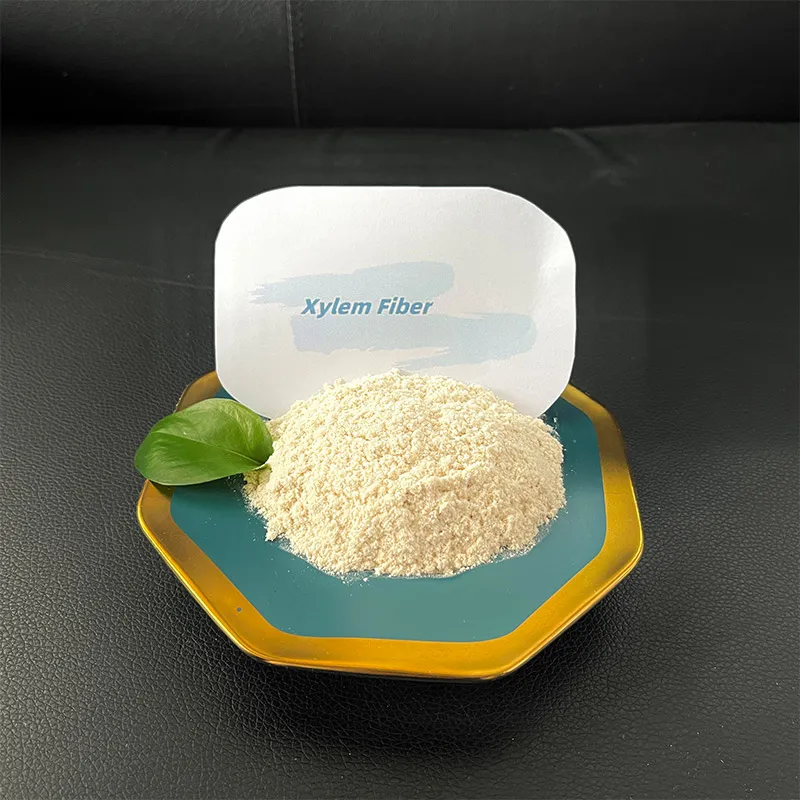
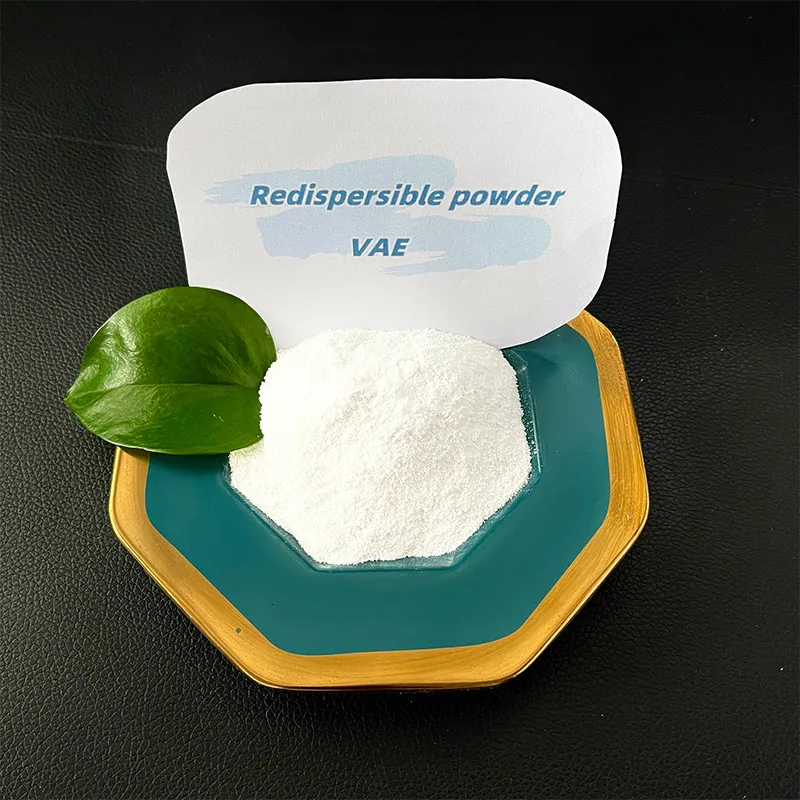
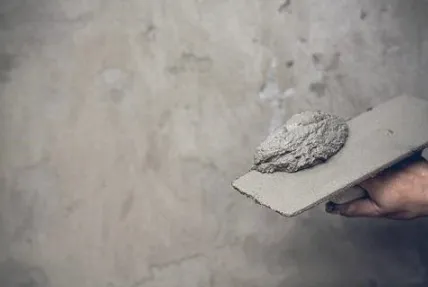
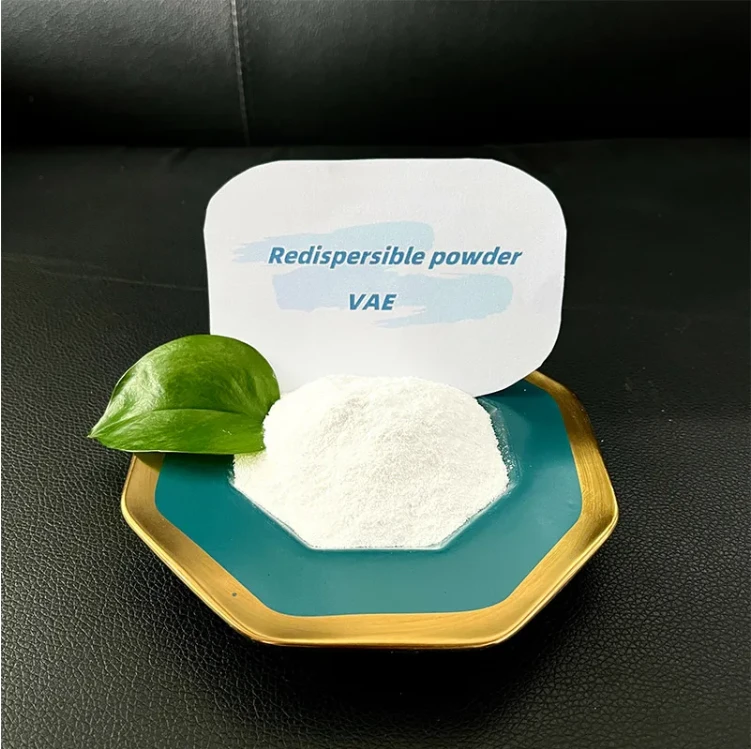
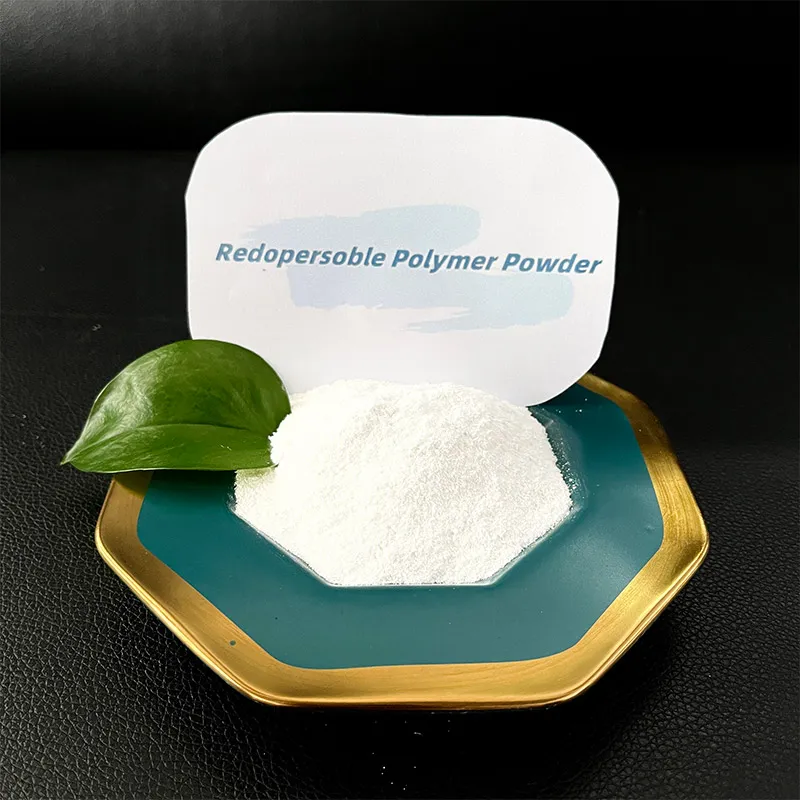
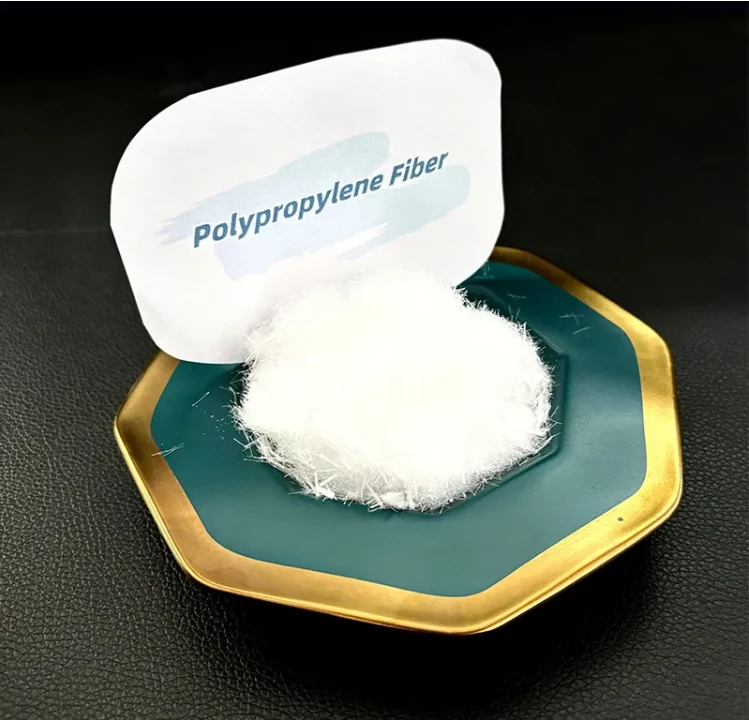


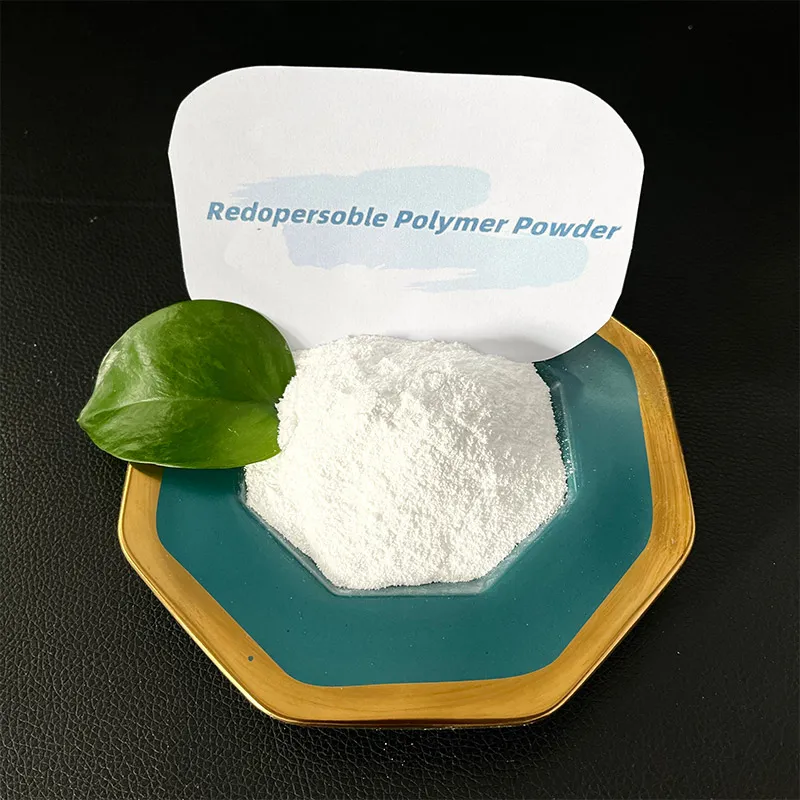
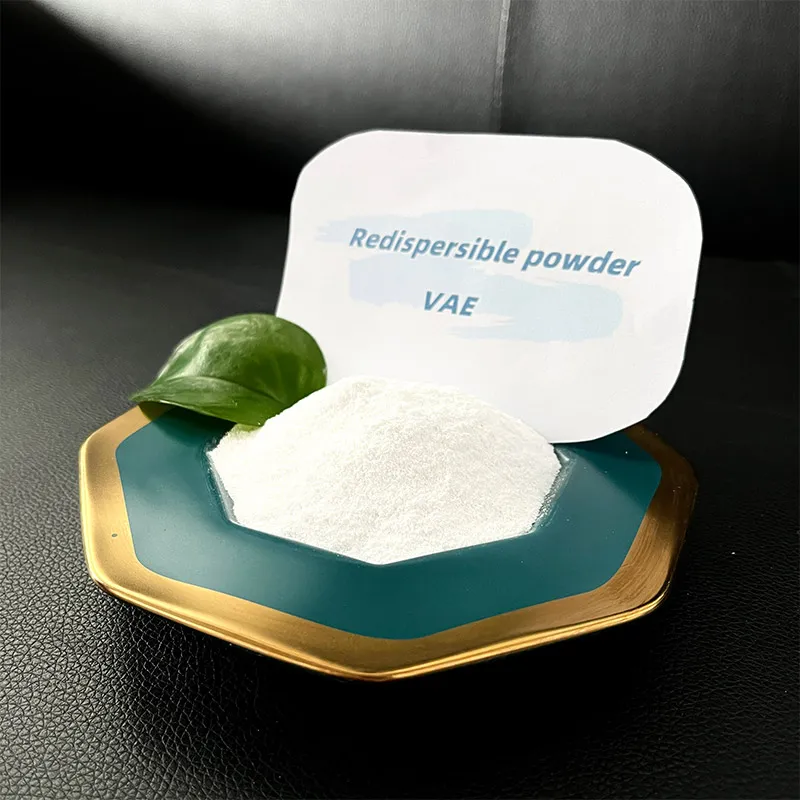
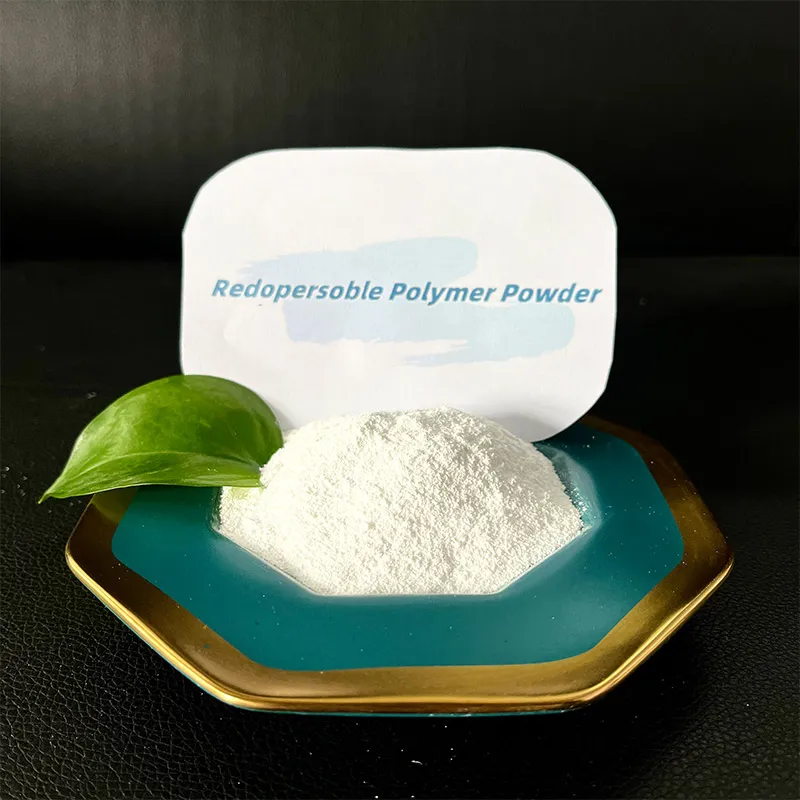
Introduction to Redispersible Emulsion Powder In the dynamic landscape of modern construction and specialty chemicals, redispersible emulsion powder stands as a cornerstone additive. This versatile polymer powder, often referred to as redispersible latex powder or polymer powder , is crucial for enhancing the performance of cementitious and gypsum-based dry-mix mortars. Its primary function is to improve adhesion, flexibility, water resistance, and overall durability in a wide array of building materials. Specifically, Vinyl Acetate Ethylene (VAE) based formulations, such as VAE redispersible powder , are highly valued for their superior properties. Designed for ease of incorporation into dry blends, these powders redisperse into an emulsion upon contact with water, forming a polymer film that binds aggregates and fillers. This polymer network significantly transforms the mechanical properties of the final product, leading to more resilient and high-performing construction solutions. Its importance spans from critical infrastructure projects to residential applications, ensuring longevity and structural integrity. Manufacturing Process of Redispersible Emulsion Powder The production of redispersible emulsion powder involves a sophisticated multi-stage process, primarily focusing on the transformation of a liquid polymer emulsion into a stable, free-flowing powder. This process ensures that the inherent properties of the polymer are preserved, allowing for optimal performance upon re-emulsification. The key materials typically include Vinyl Acetate Ethylene (VAE) emulsions, protective colloids, and anti-caking agents. Process Flow Overview: Emulsion Polymerization (Initial Stage): While the core RDP manufacturing starts with a pre-existing emulsion, it's crucial to understand that the base VAE emulsion itself is produced via radical polymerization of vinyl acetate and ethylene monomers. This yields a stable aqueous dispersion of VAE copolymers, which forms the foundation of the redispersible powder . Formulation & Homogenization: The liquid polymer emulsion is precisely formulated with various additives. These include protective colloids (e.g., polyvinyl alcohol), which encapsulate the polymer particles, and sometimes defoamers or plasticizers. This mixture is then thoroughly homogenized to ensure a consistent feed for the next stage. Spray Drying: This is the most critical step. The homogenized emulsion is atomized into a fine mist within a large drying chamber, where it encounters a stream of hot air. The water rapidly evaporates, leaving behind solid polymer particles encapsulated by the protective colloid. This rapid drying prevents particle agglomeration and ensures the powder's redispersibility. Cooling & Cycloning: The dried powder is then separated from the air stream using cyclones, which collect the particles. It is subsequently cooled to prevent fusion and maintain its free-flowing nature. Anti-Caking Agent Application: A small amount of an inorganic anti-caking agent (e.g., silica or calcium carbonate) is typically blended with the powder. This prevents clumping during storage and ensures the product remains free-flowing and easily dispersible in dry-mix formulations. Sieving & Packaging: The final powder undergoes sieving to ensure uniform particle size and remove any oversized agglomerates. It is then carefully packaged into multi-ply paper bags with an inner polyethylene liner to protect against moisture and ensure a stable service life, typically up to 12 months under proper storage conditions. Quality Control & Testing Standards: Throughout the manufacturing process, stringent quality control measures are applied. Products are tested against international standards such as ISO 9001 for quality management, and various ASTM and EN standards specific to the performance of dry-mix mortars. Key parameters include solids content, ash content, bulk density, pH, redispersibility, minimum film-forming temperature (MFFT), and adhesion strength in mortar applications. These tests ensure consistent product quality and reliable performance in target industries like construction, where enhanced energy saving, superior corrosion resistance, and extended service life of materials are critical advantages. Industry Trends and Market Dynamics The market for redispersible emulsion powder is experiencing robust growth, driven by global urbanization, increasing demand for sustainable building materials, and a continuous pursuit of enhanced performance in construction. Key industry trends indicate a shift towards more specialized and environmentally friendly formulations. Sustainable Construction: There's a rising emphasis on green building practices, pushing manufacturers to develop low-VOC and formaldehyde-free polymer powder variants that contribute to healthier indoor environments and reduced ecological footprints. Specialized Applications: Demand is growing for RDPs tailored for specific, high-performance applications such as underwater concrete, 3D printing mortars, and high-strength self-leveling compounds, requiring precise control over rheology and setting times. Emerging Markets: Rapid infrastructure development in Asia-Pacific, Latin America, and Africa fuels significant demand for advanced construction chemicals, positioning these regions as major growth engines for redispersible latex powder . Technological Advancements: Continuous R&D efforts are focused on improving the dispersibility, hydrophobicity, and adhesion spectrum of RDPs, including the development of products with lower minimum film-forming temperatures suitable for colder climates. Consolidation and Collaboration: The industry is witnessing increased collaboration between raw material suppliers, RDP manufacturers, and dry-mix mortar producers to innovate and optimize product offerings. Market analysis suggests a Compound Annual Growth Rate (CAGR) for the global redispersible powder market to be in the range of 6-8% over the next five to seven years, indicating a robust and expanding sector for this critical additive. Technical Specifications and Parameters Understanding the technical specifications of VAE redispersible powder is paramount for selecting the right product for specific applications. These parameters directly influence the performance characteristics of the final mortar or adhesive. Typical Product Specifications: Redispersible Powder VAE Parameter Unit Typical Value Range Significance in Application Solid Content % ≥ 98.0 Indicates active polymer content; higher value means less inert material. Ash Content % 8 - 12 Represents inorganic content, typically from protective colloids and anti-caking agents. Bulk Density g/L 450 - 600 Affects packaging, storage, and mixing efficiency in dry-mix formulations. pH Value (10% aqueous solution) - 7.0 - 9.0 Ensures compatibility with other components in alkaline cementitious systems. Minimum Film Forming Temperature (MFFT) °C 0 - 5 Critical for film formation at ambient temperatures, influencing adhesion and flexibility. Glass Transition Temperature (Tg) °C -5 to +10 Influences the flexibility and hardness of the polymer film; lower Tg means more flexibility. Redispersibility - Excellent Ensures easy re-emulsification in water, crucial for homogeneous mortar mixing. Fineness (Residue on 80µm sieve) % ≤ 2.0 Indicates particle size distribution; finer powder generally redisperses better. These specifications allow engineers and formulators to precisely select a redispersible emulsion powder that aligns with the performance requirements of their final product, whether it's for high flexibility, improved water resistance, or enhanced adhesion. Application Scenarios The versatility of redispersible emulsion powder makes it an indispensable component across a multitude of construction applications. Its ability to impart superior characteristics significantly enhances the longevity and performance of building materials. Tile Adhesives and Grouts: RDP is a key additive in high-performance tile adhesives (e.g., C2TE grade) where it dramatically improves adhesion strength to various substrates (concrete, plasterboard) and reduces slippage, especially for large format tiles. In grouts, it enhances flexibility, reduces cracking, and improves stain resistance. Self-Leveling Compounds (SLS/SLC): For achieving perfectly smooth and flat subfloors, polymer powder enhances flowability, surface hardness, abrasion resistance, and adhesion to the underlying slab, facilitating quicker and more efficient flooring installations. External Thermal Insulation Composite Systems (ETICS/EIFS): RDPs are critical in render and adhesive mortars for ETICS, providing excellent adhesion to insulation boards, enhancing flexibility to accommodate thermal expansion/contraction, and improving crack resistance, crucial for energy-efficient facades. Repair Mortars: In concrete repair, RDP-modified mortars exhibit superior bond strength to aged concrete, improved cohesion, reduced shrinkage, and enhanced resistance to carbonation and chlorides, extending the service life of repaired structures. Skim Coats and Wall Putties: For achieving smooth and durable wall finishes, RDP improves adhesion to various surfaces, enhances workability, prevents cracking, and provides a stable base for paints and decorative finishes. Cement-Based Waterproofing Membranes: The inclusion of redispersible emulsion powder significantly enhances the flexibility and crack-bridging capabilities of waterproofing slurries, crucial for protecting basements, bathrooms, and roofs against water ingress. Powder Coatings and Dry Mix Paints: Beyond traditional construction, RDPs are also used in specific dry-mix paint formulations to improve film formation and adhesion. Customer feedback consistently highlights the superior workability and long-term performance achieved when using high-quality VAE redispersible powder . For instance, in a large-scale commercial tiling project in a high-traffic retail space, the use of RDP-modified tile adhesive resulted in zero tile detachment complaints over a 5-year period, significantly outperforming conventional adhesives. Technical Advantages and Performance Enhancement The integration of redispersible emulsion powder into dry-mix mortars yields a broad spectrum of technical advantages, directly contributing to superior material performance and extended service life in critical applications. Enhanced Adhesion Strength: RDP forms a polymer film that adheres strongly to both the substrate and the cement matrix. This significantly increases tensile bond strength, shear strength, and peel adhesion, especially crucial for demanding applications like tile adhesives on non-absorbent surfaces. Adhesion can be improved by 50-150% depending on the specific application and RDP dosage. Improved Flexibility and Elasticity: The polymer network provides internal flexibility to the hardened mortar, allowing it to withstand thermal stress, substrate movement, and minor structural deformations without cracking. This is particularly vital in ETICS, flexible tile adhesives, and waterproofing membranes. Superior Water Resistance: RDPs reduce the water absorption coefficient of mortars, making them more resistant to moisture ingress, freeze-thaw cycles, and efflorescence. This property extends the durability of external renders and waterproofing systems. Optimized Workability and Open Time: In fresh mortar, RDP improves rheology, allowing for easier mixing, application, and adjustment. It can extend the open time (time before skinning or drying prevents proper bond formation) and adjust the consistency, making installation more efficient. Increased Durability and Abrasion Resistance: The polymer film enhances the cohesion and density of the mortar matrix, leading to higher compressive and flexural strengths, better impact resistance, and significantly improved abrasion resistance, particularly beneficial for flooring compounds. Crack Bridging Capability: Flexible RDP types can bridge hairline cracks in the substrate, preventing them from propagating through the surface layer, which is essential for protective and decorative coatings. These technical advantages translate into tangible benefits for B2B clients, including reduced material consumption through improved efficiency, decreased maintenance costs due to enhanced durability, and greater confidence in the long-term performance of their construction projects. Vendor Comparison and Selection Criteria Choosing the right supplier for redispersible emulsion powder is a critical decision that impacts product quality, supply chain reliability, and overall project success. B2B decision-makers and engineers should evaluate vendors based on several key criteria beyond just price. Key Comparison Factors: Product Quality & Consistency: The ability to consistently deliver RDPs with tight specifications (e.g., MFFT, ash content, redispersibility) is paramount. Inconsistent quality leads to variable mortar performance and potential project failures. Look for ISO-certified manufacturers with robust quality control protocols. Technical Support & Expertise: A reputable vendor provides in-depth technical guidance, formulation support, and troubleshooting assistance. This includes understanding specific application challenges and recommending optimal RDP grades. R&D Capabilities & Innovation: Leading suppliers invest in research and development to offer advanced RDPs for emerging applications or to improve existing product performance, such as enhanced hydrophobicity or eco-friendly options. Supply Chain Reliability: The capacity to deliver materials on time and consistently, especially for large-scale projects, is crucial. Assess production capacity, logistics networks, and contingency plans. Certifications & Compliance: Ensure the vendor’s products comply with relevant industry standards (e.g., EN 14496, ASTM, CE markings) and environmental regulations. Customization Capabilities: For unique project requirements, a vendor capable of developing customized polymer powder solutions offers significant value. Comparative Overview of RDP Types/Vendor Strengths (Illustrative) Feature/RDP Type Standard VAE RDP High-Flexibility VAE RDP Hydrophobic VAE RDP Primary Benefit Adhesion, basic flexibility Exceptional flexibility, crack bridging Water repellency, reduced absorption Typical Applications Tile adhesives, skim coats, general mortars ETICS, flexible grouts, repair mortars Waterproofing slurries, external renders MFFT Range (°C) 0 to 5 -5 to 0 0 to 5 Water Absorption Reduction Moderate Moderate Significant (often >50%) Ease of Dispersion Excellent Excellent Good (requires careful mixing) A thorough vendor assessment ensures a stable and high-quality supply of redispersible latex powder , forming the backbone of robust construction material formulations. Customized Solutions While standard grades of redispersible emulsion powder cater to a wide range of applications, many specialized construction projects demand unique performance characteristics. Recognizing this, leading manufacturers offer customized solutions to meet precise client specifications. Customization factors can include: Tailored Flexibility: Adjusting the polymer composition to achieve a specific Glass Transition Temperature (Tg) for mortars used in extreme thermal cycling or highly flexible substrates. Enhanced Hydrophobicity: Developing redispersible powder with increased water repellency for critical waterproofing or exterior rendering applications in high-moisture environments. Optimized Open Time and Workability: Modifying the RDP to improve the application characteristics for specific regional climates (e.g., extended open time for hot, dry conditions or faster setting for cold, humid conditions). Specific Adhesion Properties: Customizing RDP for superior adhesion to challenging substrates like glass, metal, or specific types of insulation boards. Low-Dust Formulations: Providing RDPs with enhanced anti-caking properties and optimized particle size distribution to reduce dust during mixing, improving site safety and cleanliness. Eco-Friendly Variants: Developing RDPs with reduced VOC emissions or using bio-based raw materials, aligning with stringent environmental standards and green building initiatives. Our technical team collaborates closely with clients to understand their project's unique challenges and desired performance outcomes. Through rigorous R&D and pilot-scale testing, we formulate and produce bespoke VAE redispersible powder solutions that perfectly integrate into their product systems, ensuring optimal performance and cost-effectiveness. This client-centric approach empowers businesses to create highly differentiated and competitive construction materials. Application Case Studies Case Study 1: High-Rise Façade Renovation A major contractor undertaking the renovation of a 30-story commercial building faced challenges with the existing façade system. The original render showed extensive cracking and poor adhesion to the concrete substrate, exacerbated by significant thermal expansion and contraction over years. Challenge: Need for a highly flexible, durable render system with superior adhesion and crack bridging capabilities to withstand harsh weather conditions and building movement. Solution: A specialized high-flexibility redispersible emulsion powder (with a Tg of -5°C) was incorporated into the base coat and finishing render formulations. This particular VAE RDP was chosen for its exceptional elastic properties. Results: The modified render system demonstrated a 75% increase in tensile bond strength and a 60% improvement in crack resistance compared to conventional renders. After 3 years, the façade remained free of hairline cracks and delamination, providing a robust, aesthetically pleasing, and energy-efficient exterior, leading to significant savings in future maintenance costs. Case Study 2: Industrial Warehouse Flooring An industrial client required a durable and abrasion-resistant self-leveling compound for a new 10,000 m² warehouse floor that would endure heavy forklift traffic and chemical spills. The existing concrete slab had minor imperfections and required a fast-setting, high-strength overlay. Challenge: Achieve a perfectly level, exceptionally hard, and highly abrasion-resistant floor with rapid curing properties to minimize operational downtime. Solution: A performance-grade redispersible latex powder specifically engineered for high-strength flooring applications was integrated into the self-leveling compound. This RDP significantly enhanced the polymer-cement matrix. Results: The modified self-leveling compound achieved a compressive strength of >50 MPa within 28 days and showed a 40% reduction in abrasion loss (measured by Taber Abrasion Test) compared to standard formulations. The floor was ready for light traffic in 24 hours, and heavy traffic within 72 hours, significantly reducing project timelines and ensuring long-term performance under extreme conditions. Trustworthiness and Commitment () As a leading supplier of redispersible emulsion powder , we are committed to upholding the highest standards of quality, reliability, and customer satisfaction. Our operations and products reflect a dedication to expertise, authoritativeness, and unwavering trustworthiness. Authoritativeness & Certifications: ISO 9001:2015 Certified: Our quality management system is certified to ISO 9001, ensuring consistent product quality and process excellence from raw material sourcing to final delivery. ISO 14001:2015 Certified: Demonstrating our commitment to environmental responsibility, our manufacturing processes adhere to stringent environmental management standards. Extensive Industry Experience: With over 15 years in the specialty chemicals sector, we have cultivated deep expertise in polymer technology and its application in construction. Key Partner Client Portfolio: We proudly serve a diverse clientele ranging from global construction material conglomerates to specialized regional manufacturers, testifying to our product's performance and reliability. Our RDPs are rigorously tested in independent labs and meet or exceed relevant EN and ASTM standards. Frequently Asked Questions (FAQ): Q: How does redispersible emulsion powder improve water resistance? A: The polymer film formed by RDP upon drying creates a hydrophobic barrier within the mortar matrix, reducing capillary water absorption and thus improving the overall water resistance of the material. Q: What is the recommended dosage of RDP in typical mortar formulations? A: The dosage typically ranges from 1% to 10% by weight of cement, depending on the specific application, desired performance characteristics, and other additives in the formulation. Our technical team can provide precise recommendations. Q: Is VAE redispersible powder compatible with all types of cement? A: Yes, VAE-based RDPs are highly compatible with various types of cement (e.g., OPC, masonry cement) and other hydraulic binders (e.g., gypsum, lime), making them highly versatile for dry-mix formulations. Lead Time & Fulfillment: We maintain efficient logistics and production schedules to ensure timely delivery. Standard lead times for bulk orders typically range from 10-20 business days, depending on destination and order size. Expedited shipping options are available upon request. Our global distribution network ensures seamless fulfillment worldwide. Warranty & Customer Support: We offer a comprehensive product warranty guaranteeing our redispersible powder meets specified technical data sheets and is free from manufacturing defects. Our commitment extends beyond the sale with dedicated after-sales support. Our team of technical experts is available to provide detailed product information, application guidance, and troubleshooting assistance to ensure optimal results for our clients. Conclusion Redispersible emulsion powder remains an indispensable additive for the modern construction industry, providing critical enhancements to the performance and durability of dry-mix mortars. Its ability to improve adhesion, flexibility, water resistance, and overall workability positions it as a key driver for innovative and sustainable building solutions. As construction demands evolve, the continuous development of specialized polymer powder formulations will be crucial for addressing new challenges and fostering greater efficiency and longevity in infrastructure and housing projects worldwide. Partnering with an experienced and reliable manufacturer ensures access to high-quality products and the technical expertise necessary to achieve superior outcomes. References 1. Ohama, Y. (1995). Polymer-modified mortars and concrete. In Concrete and Cement Composites (Vol. 17, No. 3, pp. 189-202). Elsevier. 2. European Committee for Standardization. (2007). EN 14496: Adhesives for tiles - Adhesives for ceramic tiles - Definitions and specifications. CEN. 3. American Society for Testing and Materials. (2018). ASTM C1202: Standard Test Method for Electrical Indication of Concrete’s Ability to Resist Chloride Ion Penetration. ASTM International. 4. International Organization for Standardization. (2015). ISO 9001:2015: Quality management systems – Requirements. ISO. 5. Beushausen, H., & Raoufi, K. (2014). The effect of polymer modification on the performance of cementitious repair mortars. Construction and Building Materials, 71, 362-368.
- 40000tons

Production
- 20+years

Experience
- 5000+㎡

Acreage

-
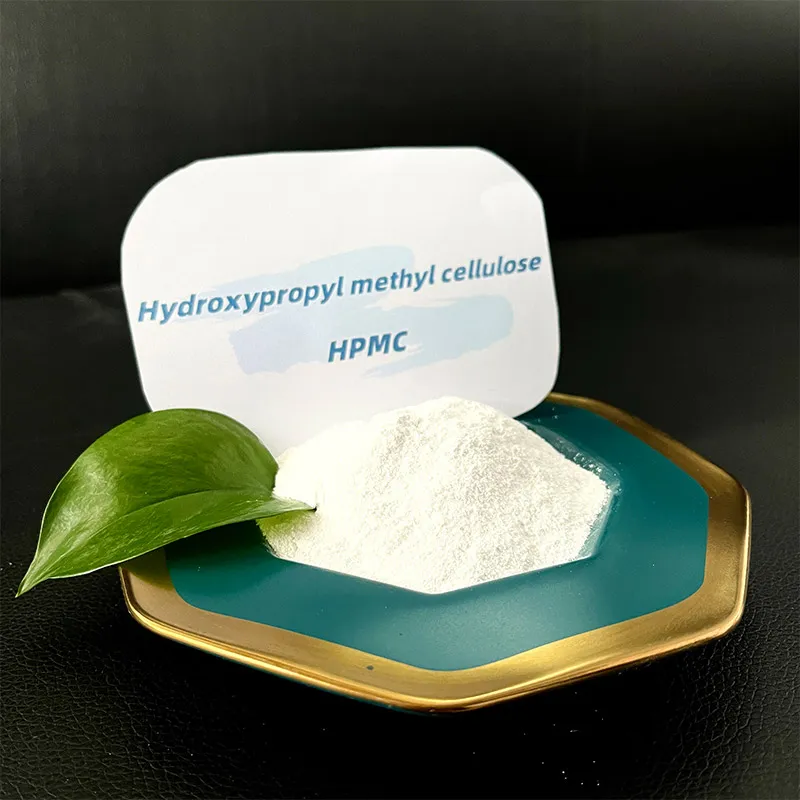
In the realm of pharmaceutical and food industries, Hydroxypropyl Methylcellulose (HPMC) has emerged as a pivotal component. Its Material Safety Data Sheet (MSDS) is an essential tool for experts aiming to ensure safe handling and application. Delving into HPMC’s characteristics, professionals establish its credibility, owing to its multifaceted applications and safety profile. HPMC, a non-ionic cellulose ether, boasts significant versatility as an excipient in pharmaceuticals, a stabilizer in food products, and a key ingredient in personal care items. The substance is renowned for its viscosity, thickening properties, and water solubility, making it indispensable in various industrial processes. With an MSDS, industries gain a comprehensive understanding of how to leverage HPMC without compromising safety or effectiveness. Professionals with experience in the pharmaceutical field recognize the critical role of HPMC in controlled release medication. Its ability to modulate drug release rates in hydrophilic matrices exemplifies advanced pharmaceutical technology. This expertise is supported by documented evidence, enhancing HPMC’s authoritative stance within the industry . An MSDS serves as a testament to such applications, detailing essential safety measures and best practices for utilization. From a food safety perspective, HPMC ensures that products maintain their stability and texture during storage and consumption. As a hydrocolloid, it acts as an emulsifier, suspending agent, and thickener, reflecting professional expertise in food science. To uphold authoritativeness, specialists consistently turn to MSDS documentation, as it guarantees adherence to safety and quality standards demanded by consumers and regulatory bodies alike. hpmc msds In personal care formulations, HPMC is trusted for its film-forming capabilities, promoting smooth application and moisture retention in products like lotions and shampoos. Its role in creating a pleasant user experience hinges on its unique chemical properties detailed within the MSDS. This document serves as a cornerstone of trust, assuring both manufacturers and consumers of the ingredient’s safety and efficacy. Adhering to safety practices delineated in an MSDS is non-negotiable for ensuring HPMC’s responsible application. This document details critical information about storage conditions, handling precautions, and emergency procedures. By meticulously following these guidelines, industries can bolster their trustworthiness amongst stakeholders, thereby reinforcing their reputation and adherence to global safety standards. Equipped with expertise, authority, and empirical data, specialists across sectors depend on the MSDS of HPMC to make informed decisions. This reliance illustrates an earnest commitment to maintaining high standards of application, safety, and effectiveness. As a key contributor to innovation and quality, HPMC continues to influence the future of multiple industries, sustained by the confidence provided through comprehensive safety data. In summary, the significance of HPMC’s MSDS extends beyond regulatory compliance; it underpins the integrity of its applications across diverse domains. Ensuring a seamless blend of experience, expertise, authority, and trustworthiness, the document builds a robust framework for responsible usage and continuous innovation. As industries continue to evolve, the MSDS remains a critical resource, facilitating the safe and effective integration of HPMC into new and existing products.
-
Long glass fiber reinforced polypropylene is revolutionizing the way industries approach manufacturing and engineering . As a material celebrated for its impressive blend of durability, light weight, and cost-effectiveness, it is rapidly becoming the preferred choice across multiple applications. This composite brings together the robust strength of glass fibers with the versatility of polypropylene, crafting a union that excels in providing much-needed structural support while remaining significantly lighter than metals or traditional composites. The secret to its strength lies in the integration of long glass fibers, which are uniformly distributed throughout the polypropylene matrix. This uniform dispersion ensures that the resulting material is immensely strong but not at the expense of adding excessive weight. From automotive to aerospace industries, this material exhibits an unparalleled ability to absorb impact and withstand stress. Engineers value its enhanced fatigue resistance, which is critical in components such as underbody shields, front ends, and bumpers, where safety and durability are paramount. Moreover, its resistance to chemicals and environmental factors extends its lifespan, reducing maintenance costs and downtime — a crucial advantage for industries looking to optimize operational efficiency. In addition to its structural benefits, long glass fiber reinforced polypropylene is a champion of sustainability. Its production involves fewer emissions compared to metal processing, and it is fully recyclable, aligning with growing environmental regulations and expectations for industries to adopt greener practices. Companies incorporating this material are actively contributing to a more sustainable future by minimizing their ecological footprint without compromising on performance. Industries benefit not just from the superior mechanical properties but also from the versatility in design. Because the material can be molded into complex shapes with relative ease, manufacturers find new freedoms to innovate, creating products with intricate geometries that would be challenging with conventional materials. This adaptability supports a broad spectrum of applications, from high-performance sporting goods to intricate housing components in the electronics sector. long glass fiber reinforced polypropylene Furthermore, the economic advantages of long glass fiber reinforced polypropylene cannot be overlooked. Its production and application are more cost-effective than many traditional materials, enabling businesses to achieve a balance between quality and expenditure. The streamlined manufacturing processes not only reduce waste but also enhance production speed, meeting the demands of fast-moving markets without sacrificing quality. Expert insights suggest that as industries push towards lightweighting — reducing weight to improve efficiency and performance — the relevance of such advanced composite materials will continue to expand. Specialists acknowledge that the ability to reduce weight without sacrificing strength is not merely beneficial; it is essential for advancements in technology and engineering. Authoritative voices within the materials science community assert that investing in understanding and implementing these composites can give companies a cutting-edge advantage. There is a consensus that as research evolves, the potential applications will broaden, bringing about breakthroughs that might once have seemed out of reach. For a credible incorporation of long glass fiber reinforced polypropylene, it is advisable for companies to partner with experienced material suppliers and engineers who are well-versed in the nuances of this composite. Trustworthy collaborations ensure the realization of the full potential of this remarkable material, enhancing product performance while fostering innovation. In conclusion, long glass fiber reinforced polypropylene is not just a material; it is a transformative tool that is setting new benchmarks in quality and sustainability. Its extensive applications, coupled with strong environmental credentials, make it an indispensable choice for forward-thinking industries. As global challenges mount, embracing such forward-looking solutions not only positions businesses to succeed today but also prepares them for the demands of tomorrow.
advantages
-

200000 Viscosities
Excellent product
We can produce pure products up to 200,000 viscosities
-

40000 tons
High yield
We don’t stop production all year round, and the annual output can reach 40,000 tons
-

24 hours
Quality service
We provide 24-hours online reception service, welcome to consult at any time
———— Inquiry Form
Schedule A services
-
 glass_fiber_concrete
Oct . 25, 2025
Rubber powder is a valuable material derived from the recycling of used tires and rubber products. I -
 sample_available
Oct . 25, 2025
Hydroxypropyl methyl cellulose (HPMC) serves as a multifunctional polymer , gaining prominent attent -
 hpmc_gelation
Oct . 25, 2025
In the modern construction industry, the performance of building materials is critical to ensuring d


